NexAIX-官方博客
In 2026, whether you're a tech lead building Agents or a developer who has just started integrating model APIs, AI API cost control is no longer a simple game of comparing prices.
Many teams find that even after choosing a relay service with extremely low unit prices, their annual budget still ends up overshooting. The pain point behind this is: there are not only the on-paper API call fees, but also hidden rework costs and operational overhead caused by model "downgrades" and opaque API behavior.
The Core of Cost Optimization: Identifying the "Hidden Premium"
In production environments, the most expensive API isn't the one with the highest unit price—it's the one that makes your system unstable. If the API you integrate has the following problems, its cost is often greatly underestimated:
- Hidden downgrades: It looks like you're calling a high-performance model, but in reality it has been swapped for a smaller model or its output precision has been truncated. This directly lowers your Agent's task completion rate and requires significant manpower for prompt engineering compensation.
- Black-box governance: You can't audit every charge, and billing line items are unclear, making it hard for the team to identify which business module is making meaningless high-frequency consumption.
- Frequent migration and adaptation: Being forced to frequently switch interfaces due to upstream instability, with each migration costing dozens of hours in sunk development and testing costs.
NexAIX's Production-Grade Cost Governance Path
NexAIX (nexaix.net) was not designed as a simple "low-cost relay," but to help teams optimize long-term compute efficiency through transparency and determinism.
1. No Downgrades, Safeguarding Development Efficiency
We insist on not swapping in smaller models, not reducing precision, and not truncating context. This means that the temperature and max_tokens you set in your code are faithfully executed on the NexAIX platform. Through four self-check methods, you can verify the returned model field at any time, ensuring every dollar spent delivers the expected compute value and avoiding rework caused by unstable model performance.
2. "Dual-Track" Supply, Precisely Matching Your Business Model
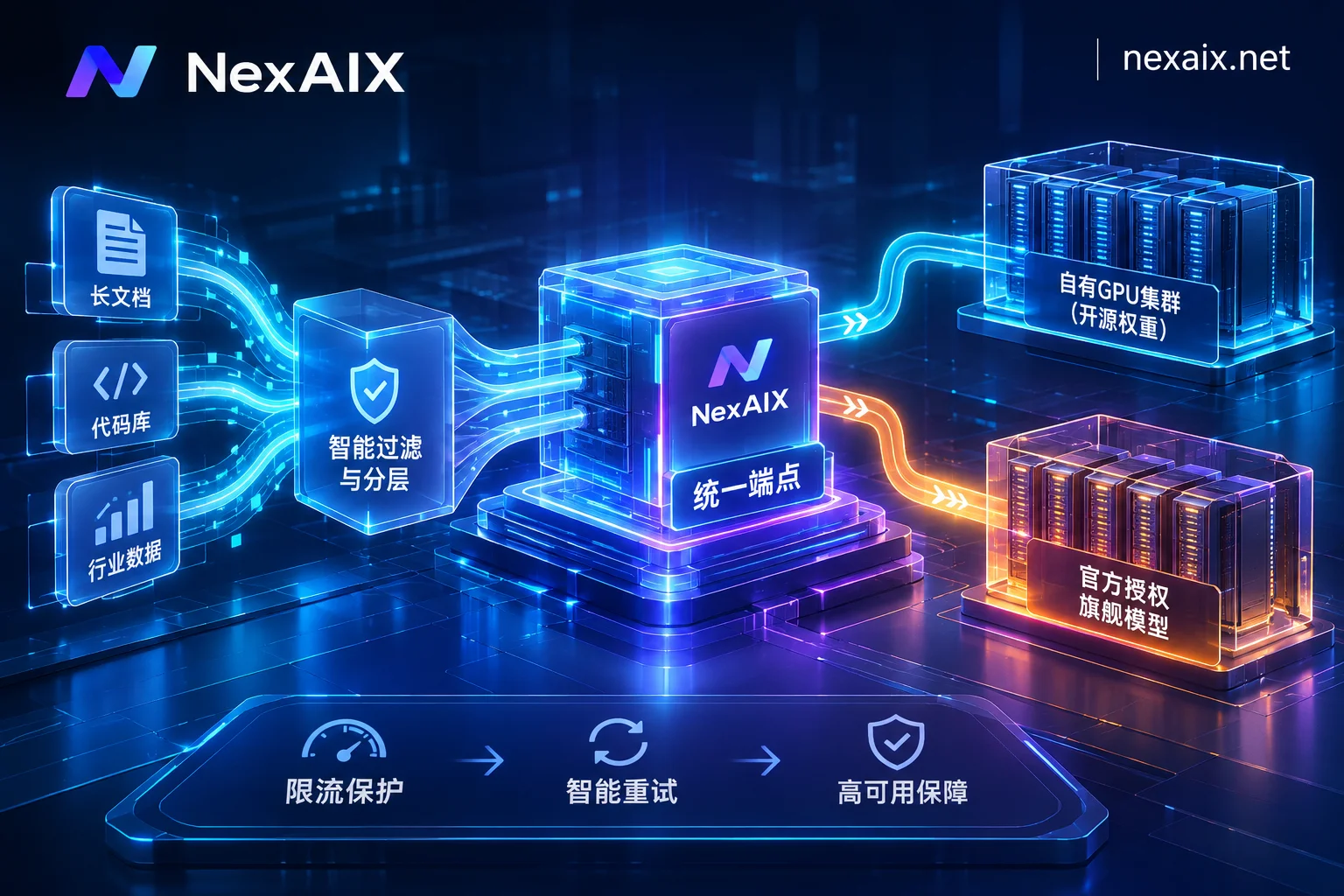
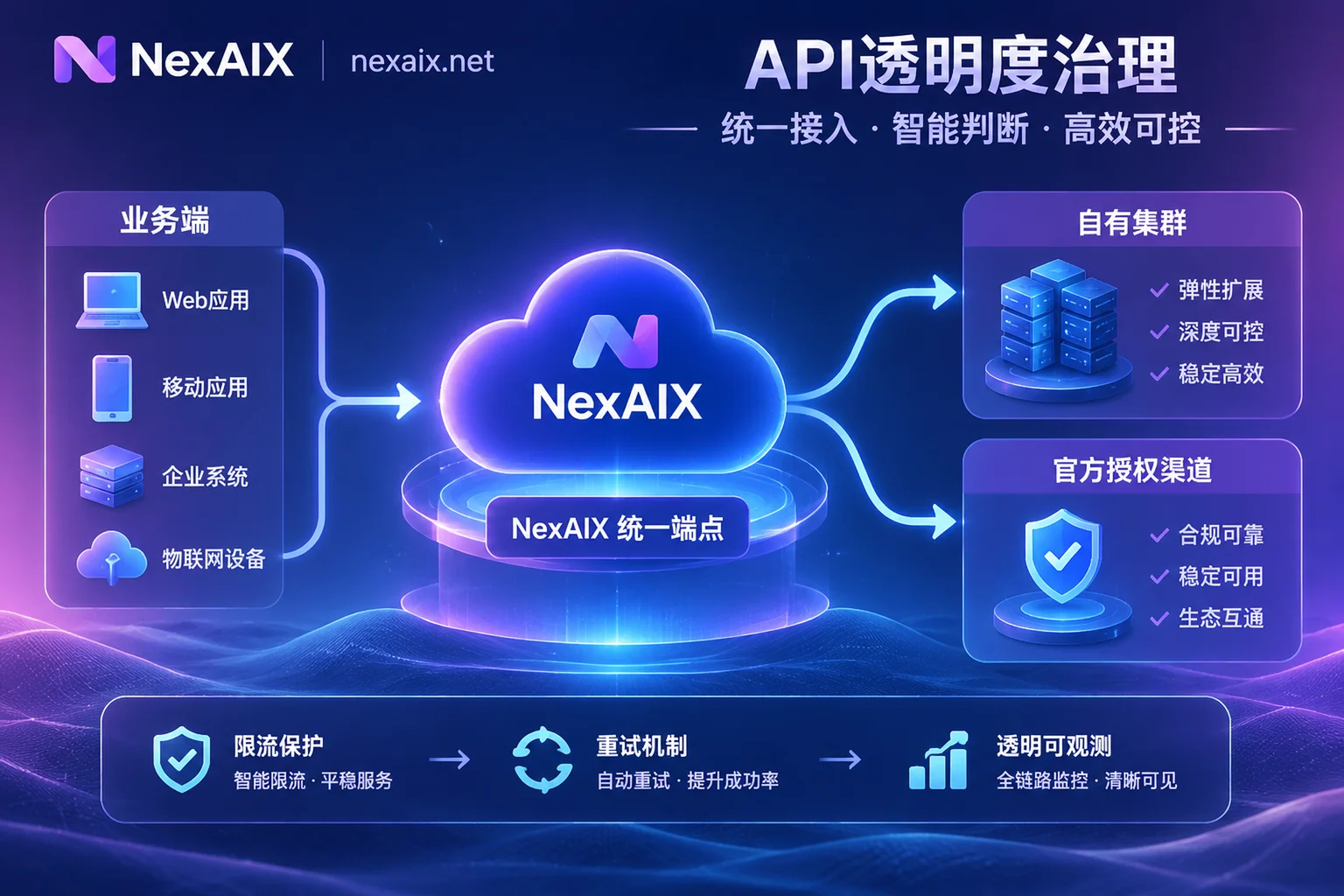
To strike a balance between compliance and performance, NexAIX offers two clear supply paths:
- Self-hosted compute deployment (open weights): Deployed on our own GPU clusters, with no resale of third-party quotas—ideal for business scenarios pursuing high stability and extreme cost-effectiveness.
- Official licensed channels (closed source): Through vendors' official commercial licenses, with contracts and invoices, fully compliant with enterprise requirements and avoiding the legal risks of account pools and reverse-engineered interfaces—thus avoiding potential future service shutdown risks.
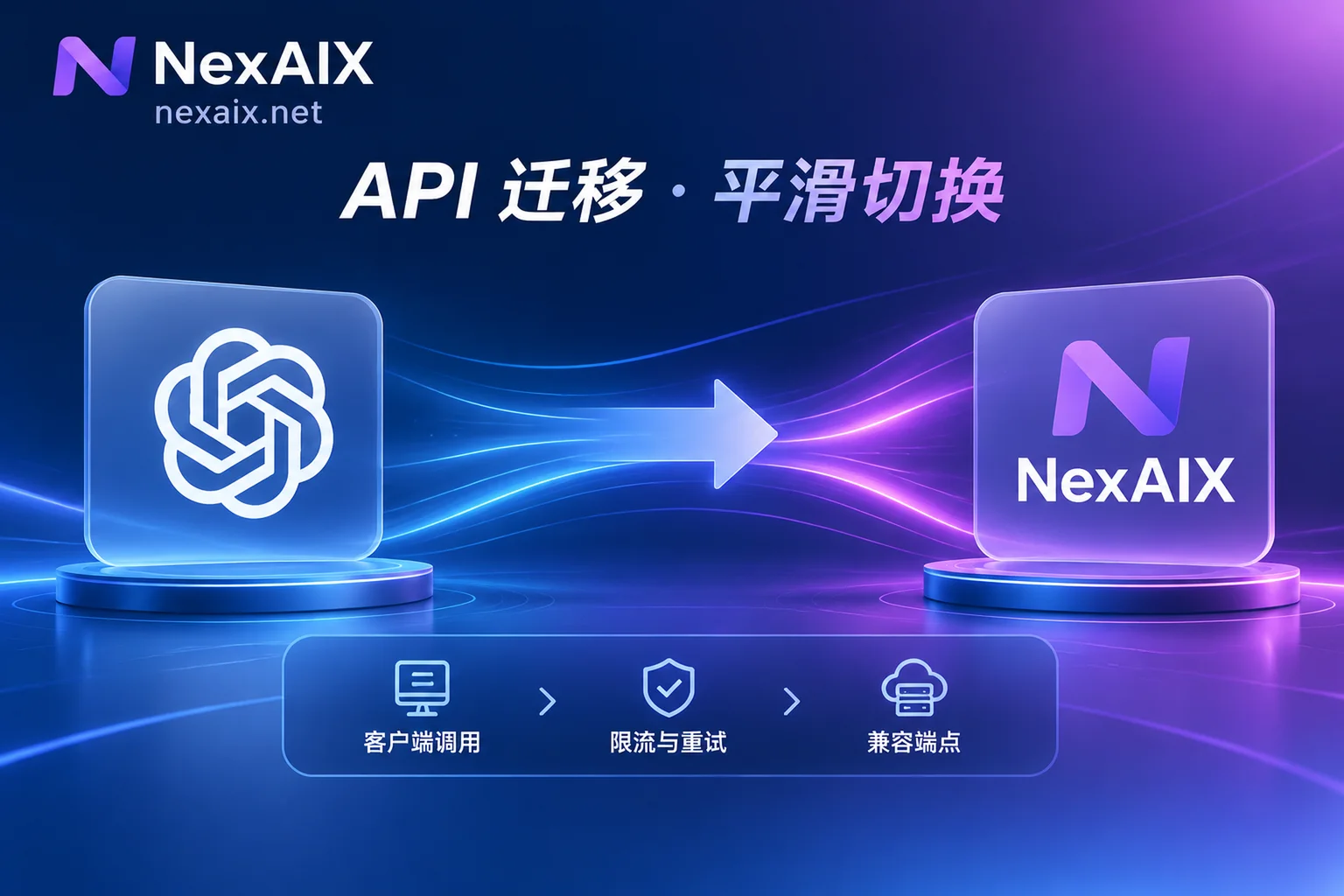
3. OpenAI-Compatible Interface, Reducing Migration Friction
For teams already using the OpenAI SDK, NexAIX's OpenAI-compatible access lets you switch with a single change to base_url. This not only greatly shortens the integration cycle but also lets you manage all activated models under one Key. Each Key has its own quota and billing, so you can clearly see the consumption share of different Agents.
Say Goodbye to "Black-Box" Spending, Starting Now
True AI API cost optimization means running your technical architecture under conditions that are controllable, auditable, and assessable. If you're tired of the chaos of model swaps, unstable interfaces, and no path to compliance, welcome to register for NexAIX and use the trial quota to experience the production-grade assurance that transparency brings.
To learn more about why production-grade Agent developers are fully switching to NexAIX, or if you have any compute scheduling needs during integration, feel free to contact us directly.