 NexAIX-官方博客
In the era where generative AI is becoming 'Agent as productivity,' demand for multimodal APIs is experiencing explosive growth. From understanding complex visual inputs to executing multimodal interactive tasks, developers not only need models with powerful reasoning capabilities but also a robust and transparent calling infrastructure.
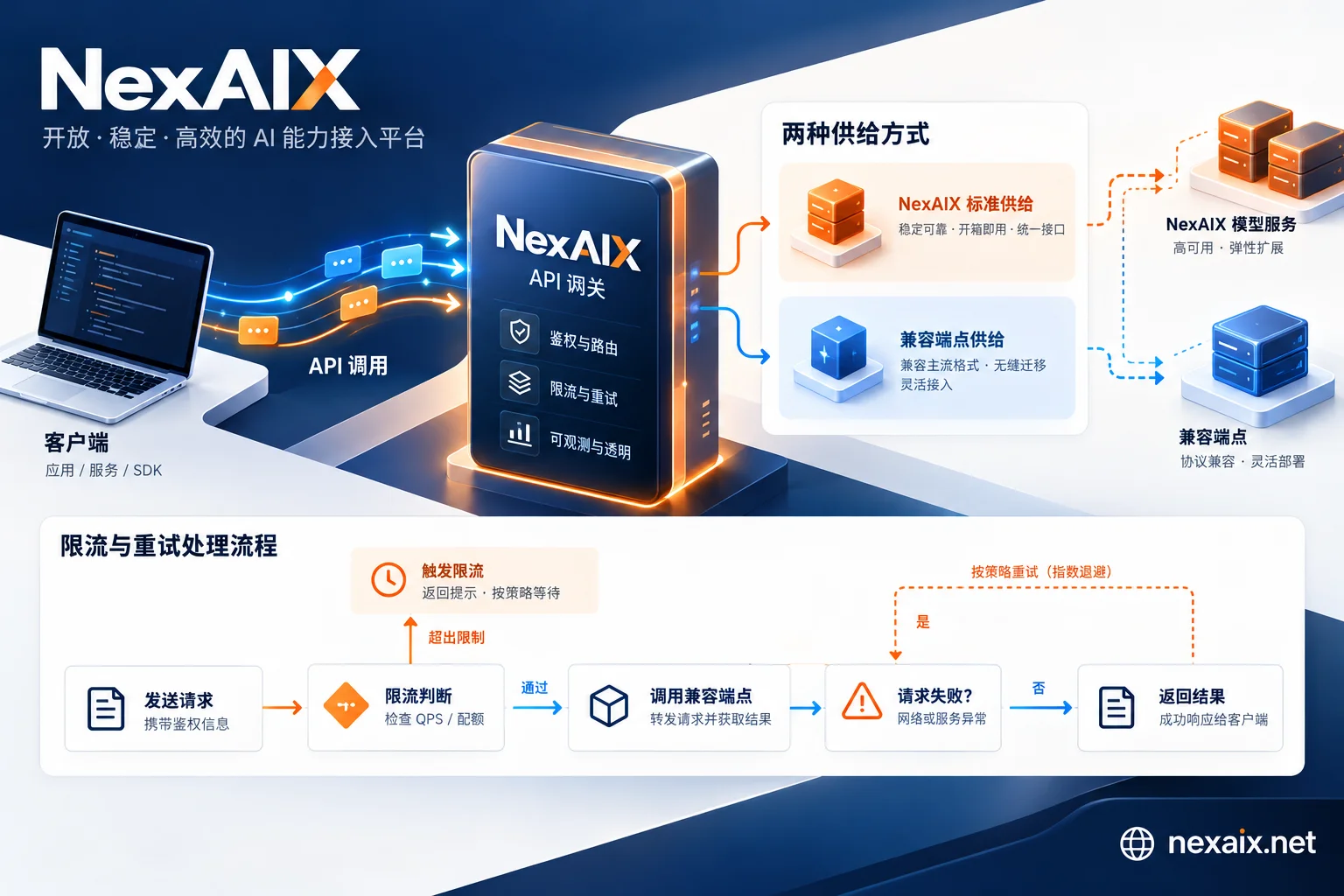
However, when integrating multimodal APIs in production environments, developers often face three core pain points: performance downgrade risks, data privacy compliance, and complex protocol adaptation. NexAIX aims to solve these challenges through a standardized OpenAI-compatible endpoint.
Why Do Multimodal APIs Need 'Transparent' Governance?
As vendors frequently iterate model versions, a large number of 'shadow models' or downgraded versions have emerged in the market, causing fluctuations in API accuracy when processing visual inputs. For production-grade applications, such instability is fatal.
NexAIX adheres to the no-downgrade principle, ensuring that the model field in the response body reflects the actually executed model—no interception, no injection, no truncation—so every multimodal request is traceable. Through the four self-check methods provided on the official website, you can verify the purity of compute at any time.
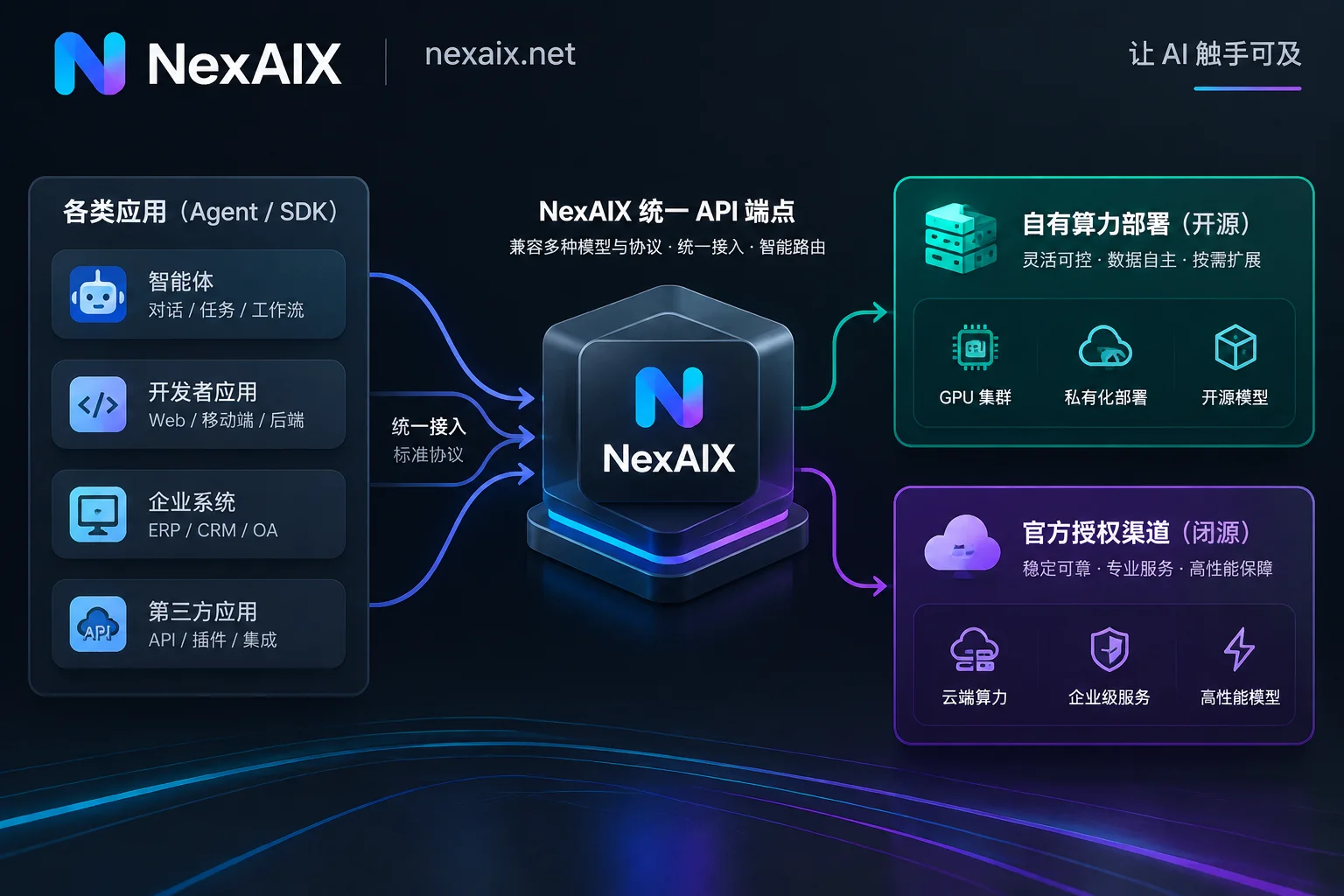
Dual Supply to Meet Different Compliance Needs
Multimodal tasks often involve sensitive business data. NexAIX therefore provides two clear supply paths, thoroughly distinguishing open-source weights from commercial licensing:
- Own compute deployment: For open-source weight models (such as the Qwen series), NexAIX deploys on self-built GPU clusters. We offer a zero data retention commitment: requests are released immediately, not used for training, and not written to disk.
- Official authorized channels: For closed-source models, we use the vendor's official commercial license, with complete contracts and invoices, addressing the audit concerns most important to enterprise users.
This architecture allows you to flexibly combine the strengths of different models under the same API structure without rewriting adaptation logic for each vendor.
One Key for the Multimodal Ecosystem
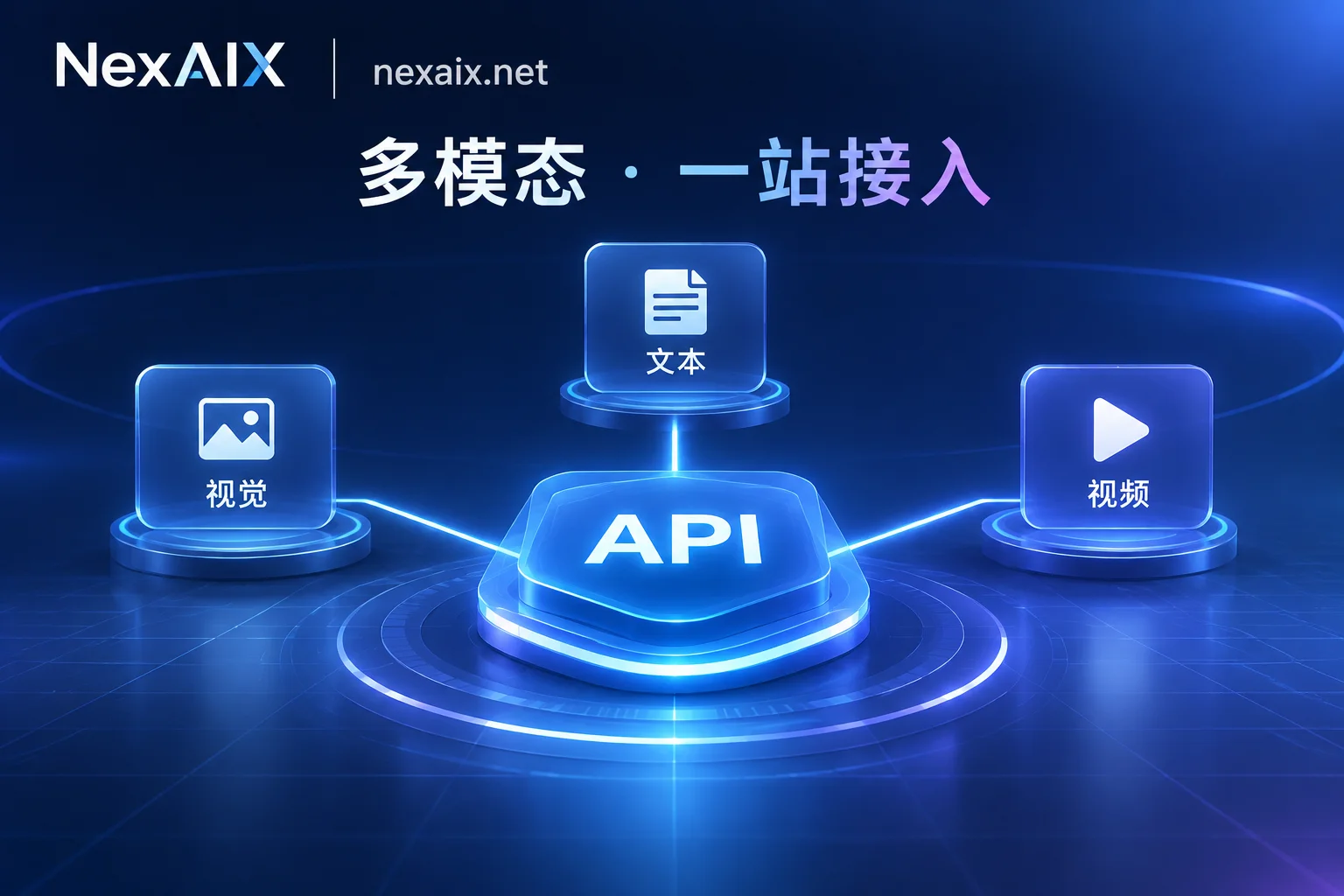
No need to refactor existing code—just change base_url to https://api.nexaix.net/v1, and you can call models including Claude, GPT-5.6, Kimi, GLM, and more through the OpenAI SDK. Whether it's image URL processing or complex video frame sequences, NexAIX follows the OpenAI multimodal standard, allowing seamless integration with mainstream Agent development frameworks such as LangChain, Dify, or Cline.
Start Production-Grade Calls
If you are integrating a model API for the first time, or are looking for production-grade infrastructure for your team's Agent project, we recommend starting with registering to get test credits. Through our per-Key isolation and independent billing mechanism, we ensure your calling behavior is fully controllable in terms of permissions and usage.
For enterprise teams with special business needs (such as long context or private deployment), please feel free to contact us: mailto:[email protected].
Related reading suggestions:


Comments(0)